The flight just started. Why does it already feel bumpy?
Runway texture, acceleration, changing wind, aircraft configuration, and the lower atmosphere can all be felt during takeoff or landing. The useful question is not simply whether it moved, but what information explains the movement.
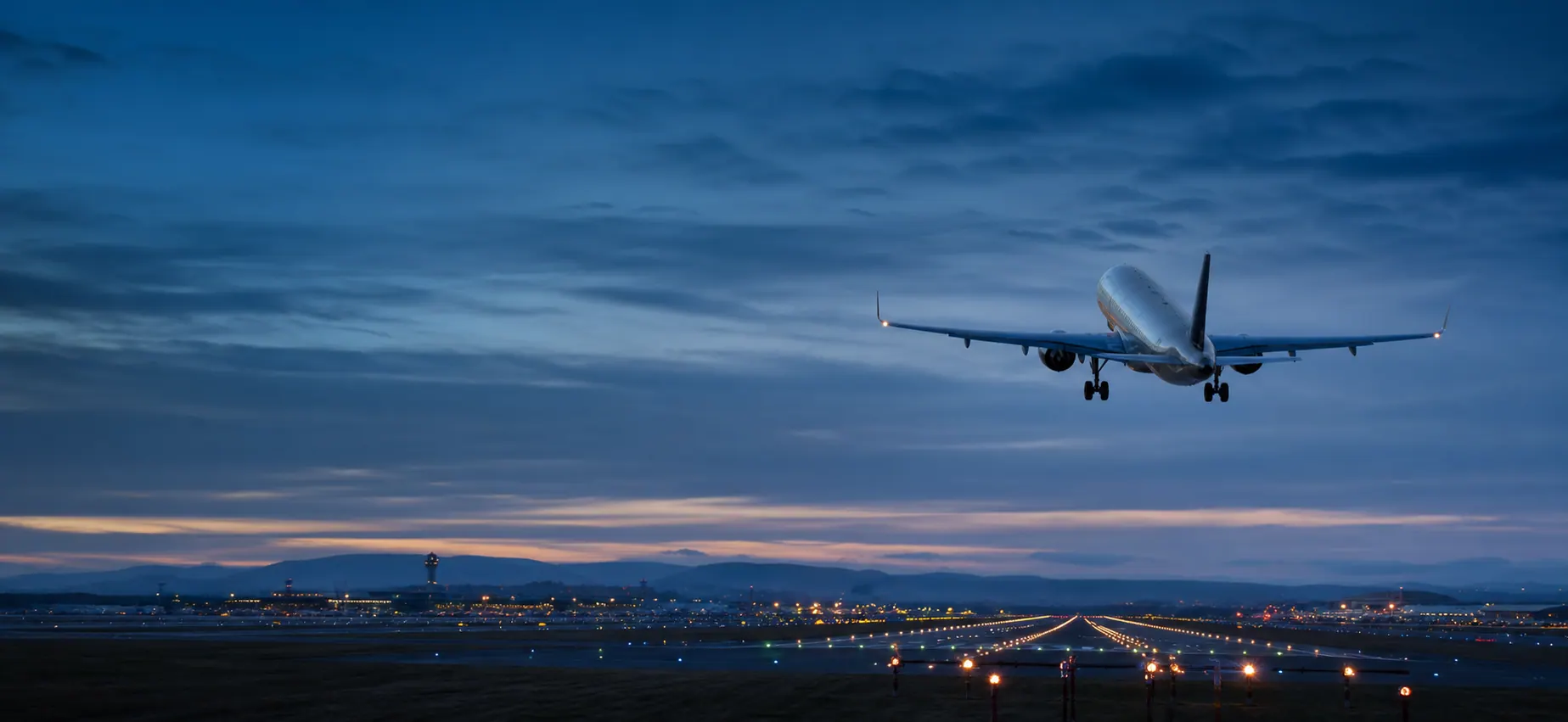
Takeoff and landing place the aircraft close to the ground, where wind and terrain can change the air over short distances. They also include acceleration, turns, flap and landing gear changes, and contact with the runway. Several normal sensations can therefore arrive within a few minutes.
The wheels rumble, the cabin tilts upward, the engine sound changes, and a moment later the airplane moves through a few quick bumps. On arrival, the same trip may end with a restless descent and one firm jolt at touchdown. It is easy to call all of that turbulence. It is more useful to separate the runway, the airplane, and the air outside.
Start with what happens on the runway
During the takeoff roll, your body feels acceleration while the landing gear carries the aircraft over pavement joints and changes in runway texture. Those vibrations end when the wheels leave the surface, but the change from rolling to flying can create its own brief shift in sensation.
The FAA Airplane Flying Handbook explains that ground effect reduces induced drag when a wing is close to the surface. As an aircraft climbs away, that effect decreases. The exact technique and performance are aircraft specific, but the broader passenger lesson is simple: lift off is a transition, not an instant switch from ground motion to an unchanging climb.
A change in sound is not the same as a drop
After takeoff, the aircraft changes from runway configuration to climb configuration. Landing gear and high lift devices are managed in an ordered sequence, and engine power, pitch, and vertical acceleration can change. A passenger may hear a thump, whir, or change in engine tone while also feeling pressed differently into the seat.
Those cues can create a convincing sense that the airplane suddenly stopped climbing. Your inner ear is responding to acceleration, not reading altitude. If you want a calmer explanation of normal aircraft changes, continue with the airplane sights and sounds guide.
The lower atmosphere can be uneven
Near the ground, wind interacts with buildings, trees, hills, coastlines, and daytime heating. A climb or descent can cross layers moving at different speeds or directions. Wake from another aircraft is also a localized source of moving air near busy airports, which is why air traffic procedures include spacing between aircraft.
This does not mean every departure or arrival should feel rough. It means airport weather deserves its own reading. A smooth cruise cannot promise a smooth descent, and a lively climb does not predict the next several hours.
Wind shear deserves a precise explanation
Wind shear is a change in wind speed or direction over a short distance. The FAA identifies low level wind shear and microbursts as serious hazards during takeoff and landing. Major airports may use systems such as Terminal Doppler Weather Radar and Low Level Wind Shear Alert Systems, while controllers relay relevant alerts to pilots.
That operational response should not be confused with the ordinary bumps passengers feel on many flights. A weather advisory or alert contains specific information. The sensation of one jolt does not allow a passenger to diagnose wind shear from the cabin.
Why the approach may feel busy
During descent, the aircraft leaves the cruise environment and passes through lower cloud and wind layers. Turns for traffic flow, changes in descent rate, flap and landing gear movement, and air near terrain can arrive close together. If showers or thunderstorms are nearby, crews and air traffic control use current operational weather to manage the approach.
The final moments include the flare, touchdown, spoilers, braking, and runway vibration. Wind and runway conditions can change how that sequence feels. A firm touchdown is a sensation, not enough evidence to decide whether a landing was good or bad.
What to check before your flight
- Look at the departure time. Current airport weather is useful only when it matches the planned takeoff period.
- Check wind and storms near both airports. Arrival conditions may occur hours after the departure search.
- Keep cruise guidance separate. A calm airport does not describe the whole route, and a route advisory does not describe the runway.
- Check again near boarding. New observations, forecasts, and advisories can change the explanation.
- Keep the seat belt fastened while seated. The FAA recommends following crew instructions even after a quiet stretch.
Frequently asked questions
Is a bumpy takeoff normal?
Small jolts can come from runway seams, acceleration, wind, wake, or uneven air during the climb. The feeling alone does not identify the cause. Keep your seat belt fastened and follow the crew.
Why does the airplane seem to drop just after takeoff?
A change in climb angle, engine sound, or acceleration can feel like a drop even while the aircraft continues climbing. A passenger cannot determine the flight path from sensation alone.
Why can the descent feel bumpier than cruise?
The aircraft is moving through lower layers of air where wind, terrain, surface heating, fronts, and nearby showers can create more variation than at cruise altitude.
Does a firm touchdown mean something went wrong?
Not by itself. Touchdown feel varies with wind, runway conditions, aircraft configuration, and the landing itself. Passengers should not use one jolt as a safety diagnosis.
Can a forecast tell me whether takeoff will be bumpy?
Airport observations and forecasts can show wind, thunderstorms, visibility, clouds, and low level wind shear. They cannot promise the exact motion of one aircraft or replace the airline crew's operational information.
Primary official sources
- FAA Airplane Flying Handbook, takeoffs and departure climbs: lift off, climb, wind, and ground effect.
- FAA Airplane Flying Handbook, approaches and landings: approach, wind, turbulence, flare, and touchdown context.
- FAA Aeronautical Information Manual, Safety of Flight: low level wind shear, microbursts, airport detection systems, and aviation weather reports.
- FAA turbulence passenger guidance: seat belt use during climb, flight, landing, and taxi.
This guide explains common passenger sensations and official weather concepts. It cannot diagnose a particular movement from the cabin or replace the operating crew, airline, or official aviation weather.