The best seat for less turbulence is a preference, not a promise
You can choose where you sit. You cannot choose the air outside. Here is how to make a sensible seat decision without spending money on a smoother ride nobody can guarantee.
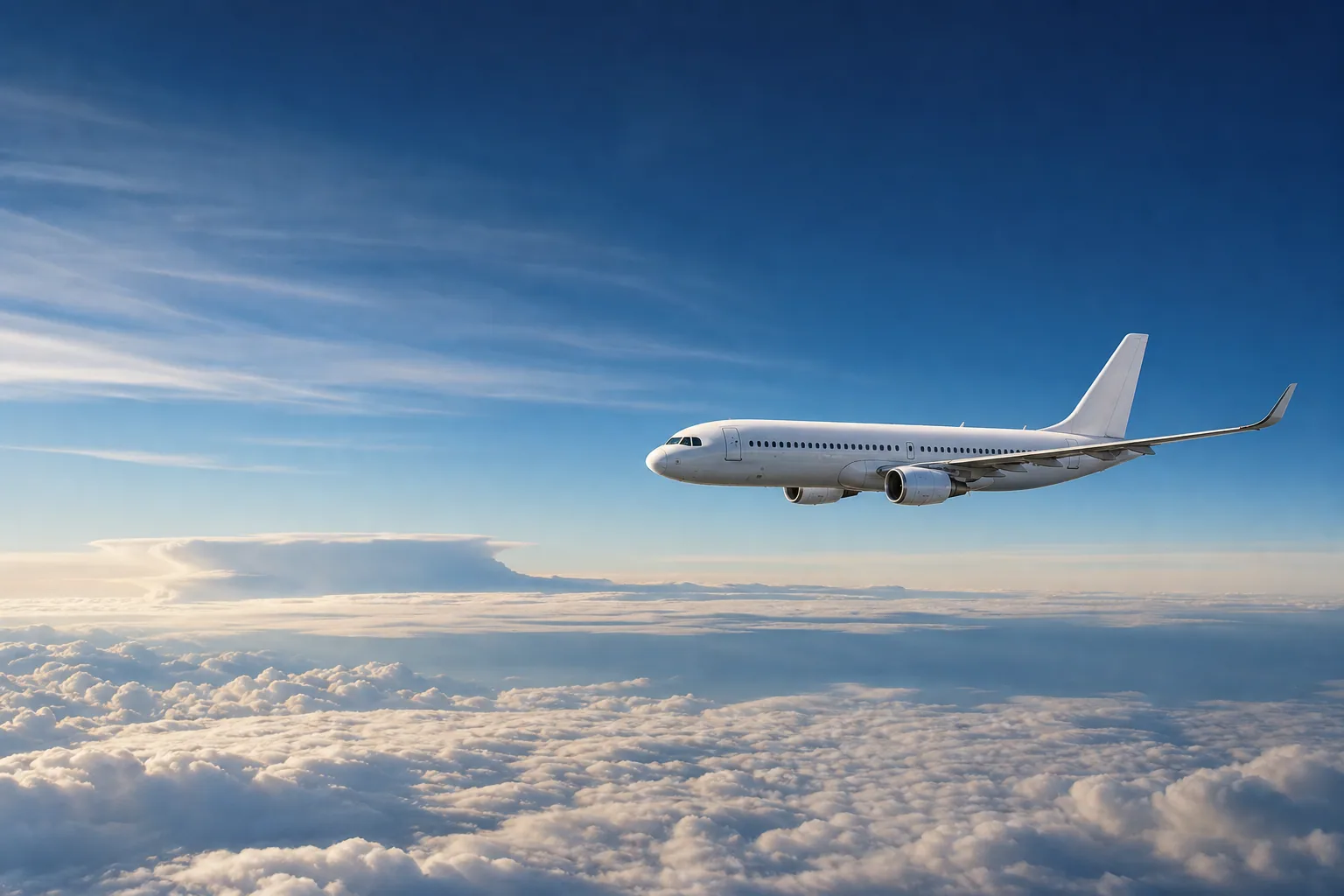
If movement bothers you, start your seat search around the wing area. Treat it as a sensible preference, not a cure for turbulence. Then choose the seat that lets you relax, rest, and sit comfortably without paying for an impossible guarantee.
The seat map is open. There is a window near the wing, an aisle farther back, and an upgrade that costs more than you expected. You would like one clear answer: which choice will make the flight feel better? The honest answer is not a magic row number. It is a short list of tradeoffs you can actually control.
Why people suggest the wing area
NASA explains that an aircraft rotates about its center of gravity. For the same pitching motion, a point closer to that center moves through a smaller arc than a point farther away. This is the physical basis for preferring seats around the wing region rather than at the ends of the cabin.
That recommendation is an inference from geometry, not a published comparison of every seat. The center of gravity changes with loading, and turbulence includes whole aircraft movement as well as rotation. No row is isolated from it.
A window and an aisle solve different problems
The window can give you something outside the cabin to look at. The aisle gives you easier access and may feel less enclosed. Neither is a dependable shortcut to smoother air.
If queasiness is your main concern, the CDC recommends a window seat among its strategies for motion sickness. This addresses how you perceive movement, not how much turbulence the aircraft encounters. If you have recurring symptoms or questions about medicine, speak with a healthcare professional rather than selecting treatment from a seat guide.
If watching the wing makes you monitor every movement, the outside view may not be your favorite option. Choose for your own experience, not for somebody else's version of the perfect seat.
What is worth paying for?
A preferred cabin location when motion bothers you.
A guaranteed smooth flight or a measurable reduction promised by this guide.
Room to sit comfortably and settle into a longer trip.
A separate weather environment.
An outside view, or easier access and a less enclosed feeling.
A reliable turbulence advantage over the other choice.
A better seat, rest, and service if those benefits justify the price.
A promise that the aircraft will encounter different air.
A small selection fee may be a good purchase if the seat helps you stop thinking about the seat. A large upgrade should stand on its ordinary benefits. If you would regret paying for it after a bumpy flight, turbulence avoidance is probably not a sound reason to buy it.
Use the actual seat map, not a universal row number
Row 20 can be near the wing on one layout and in a different part of another cabin. Check the airline's map for your flight. Look at the wing position, cabin boundaries, and seat features instead of searching for one row that works everywhere.
Also consider what will interrupt your rest. Proximity to busy service areas, the seat's recline, and being separated from your traveling companion may matter more to you than a small change in cabin position. Aircraft substitutions can change the layout, so check your seat again when the airline updates the booking.
Your seat is not a weather forecast
The same seat can feel wonderfully quiet on one flight and restless on another. Read what causes turbulence and how crews reduce exposure if you want to understand the bigger picture. Neither a preferred row nor a premium fare removes uncertainty.
Check your departure airport, destination, and scheduled time for a route outlook. Read the confidence and source timing alongside the comfort score. A preliminary score is not a seat recommendation, and a precise looking number cannot tell you what a specific row will feel like.
For a crossing such as Newark to London Heathrow, the oceanic track and weather at either end may change. A fixed seasonal label or a seat map cannot capture that. The forecast is context for preparation, not a reason to cancel your trip or purchase an expensive upgrade on its own.
A seat decision you can make in a minute
- Find the wing region on the airline's actual seat map if movement is your main concern.
- Choose window or aisle according to what helps you feel settled.
- Check space, recline, service areas, and your companion's location.
- Pay only a price that makes sense for those benefits, even if the flight is bumpy.
Once the choice is made, let it be made. The goal is a comfortable place to spend the flight, not a perfect seat that needs defending every time the aircraft moves.
Frequently asked questions
Where should I sit if I dislike turbulence?
The wing area is a reasonable starting preference because seats nearer the aircraft's center of rotation can experience less of the motion associated with pitching. That is a geometry based rule of thumb, not a guarantee or a proven ranking of every airline seat.
Is a window or aisle seat smoother?
Neither choice reliably avoids turbulence. Choose the window if an outside view helps you, or the aisle if access and personal space matter more. The CDC recommends a window seat as one strategy for motion sickness, which is different from reducing the turbulence itself.
Is it worth paying for a seat over the wing?
A modest fee can be worthwhile if that location makes you more comfortable. Do not pay a large premium on the assumption that it guarantees a smooth ride. Compare the seat's space, recline, neighbors, and location with the actual cost.
Will business class have less turbulence?
A larger seat and better rest can improve comfort, but the cabin still moves with the aircraft. Buying business class is not buying different weather, and this guide does not claim a measured turbulence reduction from an upgrade.
Should I change seats after seeing a low comfort score?
Not automatically. First read the score's explanation, forecast confidence, and timing. A route outlook cannot identify the motion you will feel in a particular row. A preferred seat may help you settle in, but it does not replace current guidance or crew instructions.
Sources and scope
- NASA: aircraft center of gravity. Supports the rotation explanation, not a seat ranking.
- CDC: motion sickness. Supports the window preference for some travelers, not a turbulence reduction claim.
- FAA: turbulence passenger safety. Supports seat belt and crew guidance.
This guide contains no measured percentage improvement, airline seat league table, or medical treatment recommendation. Our cabin location advice is a qualified practical inference, clearly separated from the official guidance above.